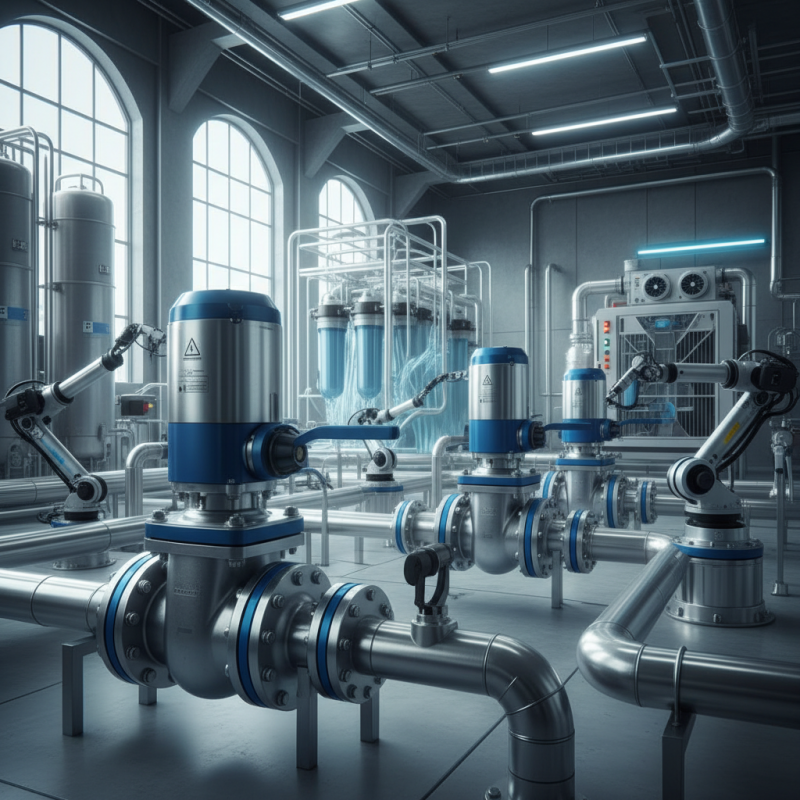
2026 Top Electric Ball Valves What You Need to Know?
Electric Ball Valves are gaining attention in various industries. These valves offer a simple and efficient way to control fluid flow. They use an electric motor to operate, making automation easier.
In 2026, the demand for Electric Ball Valves is expected to rise. Industries like oil and gas, water treatment, and HVAC are investing in this technology. Their reliability and low maintenance make them appealing. However, there are challenges to consider. It’s important to choose the right specifications for your needs.
Understanding the features of Electric Ball Valves is crucial. Different applications may require specific designs. Researching is key to make informed decisions. The market is competitive, and innovation is constant. Balancing cost and quality remains a challenge. It’s essential to reflect on our choices as we move forward.
Overview of Electric Ball Valves in 2026
Electric ball valves are becoming a staple in modern industries. In 2026, they are more advanced than ever. These valves provide precise control over fluid flow. They are efficient and reliable, reducing manual labor. As industries focus on automation, the demand for electric ball valves is rising.
Installation can be tricky. Many users face challenges in setup and calibration. Misalignment can lead to performance issues. It’s crucial to pay attention to piping layout. Additionally, proper electrical connections are vital for optimal operation.
Tips: Always consult detailed manuals during installation. Regular maintenance is key. Check seals and electrical components routinely. This helps avoid unexpected failures. Staying informed about advancements can lead to better decision-making. Electric ball valves offer great potential, but understanding them fully is essential for success.
Key Features of Top Electric Ball Valves
Electric ball valves are gaining momentum in industrial applications. They offer precise control over fluid flow. According to a recent market report, the electric valve market is projected to grow by 6% annually. This rise reflects the increasing demand for automation in various sectors.
Key features of top electric ball valves include robust construction and reliable performance. Many models come with a quick-action actuator. This allows for remote operation, crucial in areas that are hard to access. Additionally, durable materials can enhance lifespan, reducing maintenance needs. Look for valves with built-in safety features. These can prevent leaks and ensure operational integrity.
Tips: Always check the compatibility of the valve with your system. Not all valves work seamlessly with every fluid type. Regularly inspect for wear and tear. This is vital for reliable operation. Gather data on temperature and pressure ratings before making a decision.
2026 Top Electric Ball Valves What You Need to Know? - Key Features of Top Electric Ball Valves
| Model | Size | Material | Voltage | Operating Temperature | Flow Coefficient (Cv) | Application |
| EBV-1000 | 1 inch | Stainless Steel | 230V AC | -20°C to 120°C | 10 | Water Supply |
| EBV-2000 | 2 inch | Brass | 24V DC | -10°C to 90°C | 15 | Gas Control |
| EBV-3000 | 1.5 inch | PVC | 110V AC | 0°C to 60°C | 20 | Chemical Processing |
| EBV-4000 | 3 inch | Aluminum | 48V DC | -30°C to 150°C | 25 | Oil & Gas |
Applications and Industries Utilizing Electric Ball Valves
Electric ball valves have become essential in various industries. They offer rapid response times and precise control of fluid flow. This efficiency makes them ideal for applications like water treatment and oil and gas. In water treatment plants, these valves help regulate the flow of chemicals and water. This ensures safe and efficient processes.
In the food and beverage industry, electric ball valves control the flow of liquids. These valves maintain hygiene standards, as they can be easily cleaned. They also reduce the risk of contamination during production. However, some industries struggle with the upfront costs of installation. This often leads to hesitation in adopting this technology.
Pharmaceutical companies also benefit from electric ball valves. They require precise flow control for drug production. However, the complexities of integration into existing systems can be challenging. Addressing these challenges requires careful planning and execution. Understanding the specific needs of each application is crucial for optimal performance.
Comparing Leading Brands and Models of Electric Ball Valves
When exploring electric ball valves, it’s crucial to compare various brands and models. Each option has unique features that cater to different needs. Some valves excel in precision, while others emphasize speed and efficiency. Consider the materials used in construction. Stainless steel, for example, offers durability and resistance to corrosion. This is vital for long-term applications in harsh environments.
Additionally, control options vary significantly between models. Some electric ball valves allow for manual override, which can be a lifesaver during power failures. The range of actuator types can also impact performance. Selecting the right actuator can enhance responsiveness and functionality. Still, there’s a potential for confusion with numerous choices available.
Pricing is another aspect worth considering. While some models appear cost-effective initially, maintenance costs may accumulate over time. A valve that seems budget-friendly might require expensive repairs or replacements. Users should reflect on the total cost of ownership before making a decision. Balancing upfront expenses with long-term reliability is essential for informed purchasing.
Future Trends and Innovations in Electric Ball Valve Technology
Electric ball valve technology is evolving rapidly. In 2026, we can expect significant innovations that enhance efficiency. The integration of smart sensors is key. These sensors will monitor flow and pressure in real time. This allows for precise control and reduces energy wastage. It's fascinating how automation will play a role in various industries.
Moreover, the materials used in electric ball valves are undergoing changes. Lightweight, durable options are emerging, which improve installation processes. These advancements are not without challenges. Compatibility with existing systems may pose issues. Organizations need to be cautious about these transitions.
Digitalization is another trend impacting electric ball valves. Remote monitoring capabilities are becoming more common. This offers convenience but also raises concerns about cybersecurity. Maintaining data integrity is crucial in the age of IoT. We must reflect on these evolving dynamics and their implications for the future.