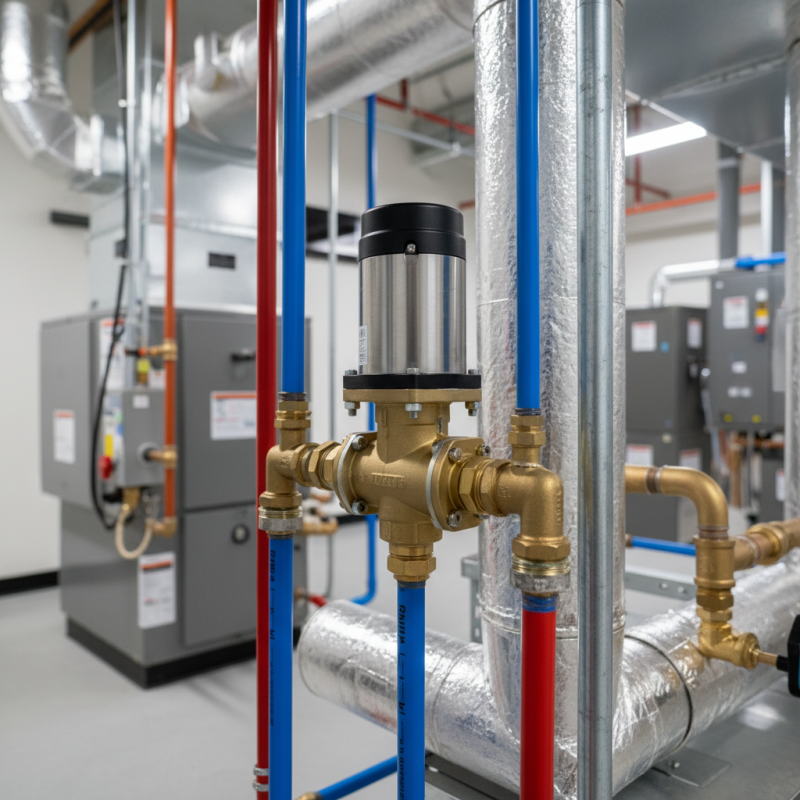
Why Choose a Motorized Valve for Your HVAC System?
In modern HVAC systems, the choice of components greatly impacts efficiency. Experts emphasize the importance of using a Motorized Valve. Dr. John Smith, a leading HVAC engineer, once stated, "A Motorized Valve can truly enhance system performance."
Motorized Valves control the flow of air and water in HVAC systems. They ensure precise regulation, promoting energy efficiency. By automating this process, systems respond swiftly to changing conditions. This adaptability is crucial in maintaining comfort levels. However, improper installation can lead to failures.
Investment in a high-quality Motorized Valve pays off in the long run. Yet, many overlook this essential component during planning. HVAC professionals should prioritize it. Recognizing its value leads to optimized operations.
Benefits of Motorized Valves in HVAC Systems
Motorized valves play a crucial role in modern HVAC systems. They efficiently control the flow of air and water. This feature is essential for maintaining optimal temperatures in commercial and residential spaces. For instance, in a large office building, motorized valves can adjust airflow based on occupancy. This leads to energy savings and enhances comfort.
The benefits extend beyond energy efficiency. Motorized valves offer precise control, which helps in reducing wear and tear on other components. A well-maintained valve can last for years, but neglect can lead to leaks or failures. Regular inspections are necessary to avoid unexpected issues. Furthermore, these valves can be integrated with smart technology, allowing remote monitoring and control. This modern twist provides an added level of convenience.
In conclusion, the choice to use motorized valves should not be taken lightly. While they offer many advantages, such as efficiency and control, potential maintenance challenges exist. Users should weigh these factors carefully. The aim is to create a balanced and reliable HVAC system that meets specific needs.
How Motorized Valves Improve Energy Efficiency
Motorized valves play a crucial role in HVAC systems. They control the flow of heated or cooled air. This precise control can lead to significant energy savings. By automatically adjusting airflow, they optimize system performance. This means that the system doesn’t have to work harder than necessary. As a result, energy consumption decreases. You'll notice reduced utility bills, which is beneficial for many homeowners.
Incorporating motorized valves can be challenging. Installation may require professional expertise. Incorrect placement can lead to inefficiency. It’s essential to assess the layout of your HVAC system accurately. If the system is not designed well, the intended energy savings might not be realized. Additionally, regular maintenance is key. If these valves aren't inspected, they could malfunction, leading to waste.
The benefits of improved energy efficiency are clear. However, the effectiveness of motorized valves depends on proper usage. Not all systems require them, so a careful evaluation is critical. Being aware of these details will help maximize the advantages they offer. Energy efficiency isn’t just about saving money; it's about creating a sustainable environment too.
Types of Motorized Valves Used in HVAC Applications
Motorized valves play a vital role in HVAC systems. They control the flow of water, steam, or air within the system, ensuring optimal efficiency. Several types of motorized valves are used in these applications, each serving unique functions.
The most common types include globe valves and ball valves. Globe valves are excellent for regulating flow, providing fine control. They are often used in water heating systems. Ball valves, on the other hand, are great for quick shut-off functions. They provide minimal resistance and are typically used in larger HVAC systems. Sometimes, a combination of these valves is required to achieve desired outcomes.
Another option is the three-way valve, which facilitates mixing or diverting flow. These valves are essential when balancing temperatures in different zones. It’s interesting to note that choosing the wrong valve can lead to inefficiencies. Oversized or improperly installed valves may cause system pressure issues. Therefore, consulting with experts is always advisable. A well-chosen motorized valve will enhance your system's performance significantly.
Why Choose a Motorized Valve for Your HVAC System? - Types of Motorized Valves Used in HVAC Applications
| Type of Valve | Function | Control Type | Common Applications |
| Ball Valve | On/Off control | Electric | Water heating, cooling systems |
| Butterfly Valve | Flow regulation | Pneumatic or Electric | Ventilation, duct systems |
| Globe Valve | Flow regulation and throttling | Electric | Heating, cooling applications |
| Check Valve | Prevent backflow | None (passive) | Piping systems, pumps |
| Solenoid Valve | Automatic on/off control | Electric | Refrigeration systems |
Installation and Maintenance Considerations for Motorized Valves
When considering motorized valves for HVAC systems, proper installation and maintenance are crucial. According to a report by the Department of Energy, improper installation can lead to energy inefficiencies, increasing operational costs by up to 30%. A well-installed valve promotes better airflow and temperature control, enhancing system performance.
Regular maintenance is essential for optimal functionality. Many technicians overlook common issues like debris accumulation or wiring errors. These oversights can result in increased wear and tear. Reports show that HVAC systems with neglected valves can face a decrease in lifespan by 20%. Routine checks, including assessing electrical connections and cleaning components, can mitigate these risks.
Training and experience play significant roles in maintenance quality. Often, inexperienced personnel may skip critical steps, leading to potential system failures. The HVAC industry recommends comprehensive training programs for maintenance staff to address these gaps. Overall, thorough installation and diligent maintenance strategies ensure that motorized valves perform effectively over time.
Comparing Motorized Valves to Traditional Valve Options in HVAC
In the world of HVAC systems, motorized valves are gaining traction. These devices offer enhanced control compared to traditional valve options. According to a recent industry report, motorized valves can boost system efficiency by up to 30%. This is crucial as energy costs continue to rise, putting pressure on both homes and businesses to save.
One significant advantage of motorized valves is their ability to automatically adjust flow rates. This responsiveness ensures optimal performance under varying conditions. Traditional valves, by contrast, often require manual adjustments. Experts note that reliance on manual operation can lead to inconsistent system performance and higher operational costs.
Tips: Always consider compatibility when choosing valves for your HVAC system. Also, regular maintenance is key to prolonging the lifespan of motorized valves. A few hiccups in operation could indicate the need for urgent checks. While motorized valves have clear benefits, they often come with higher upfront costs. Reflect on whether the initial investment aligns with your long-term goals. In some cases, the savings achieved might not justify the expense, but for many, the efficiency gains are worth it.