
Choosing the right Damper Actuator is crucial for optimizing HVAC systems. Industry reports indicate that appropriate actuator selection can enhance energy efficiency by over 20%. In an environment where energy conservation is paramount, understanding the specifics of damper actuators becomes essential.
Expert John Smith, a leading figure in HVAC technology, states, "Selecting the right damper actuator can significantly impact system performance." This emphasizes the importance of precise selection. Many companies fail to analyze actuator requirements, leading to inefficiencies. The actuation system must match the specific damper type and application needs.
Choosing poorly can result in operational issues and higher costs. The market offers a wide variety of damper actuators. Each type is designed for different functions. Misalignment between needs and specifications can create problems. Industry data suggests that nearly 30% of actuator installations are suboptimal. A detailed understanding of damper actuator capabilities is vital for making informed choices.
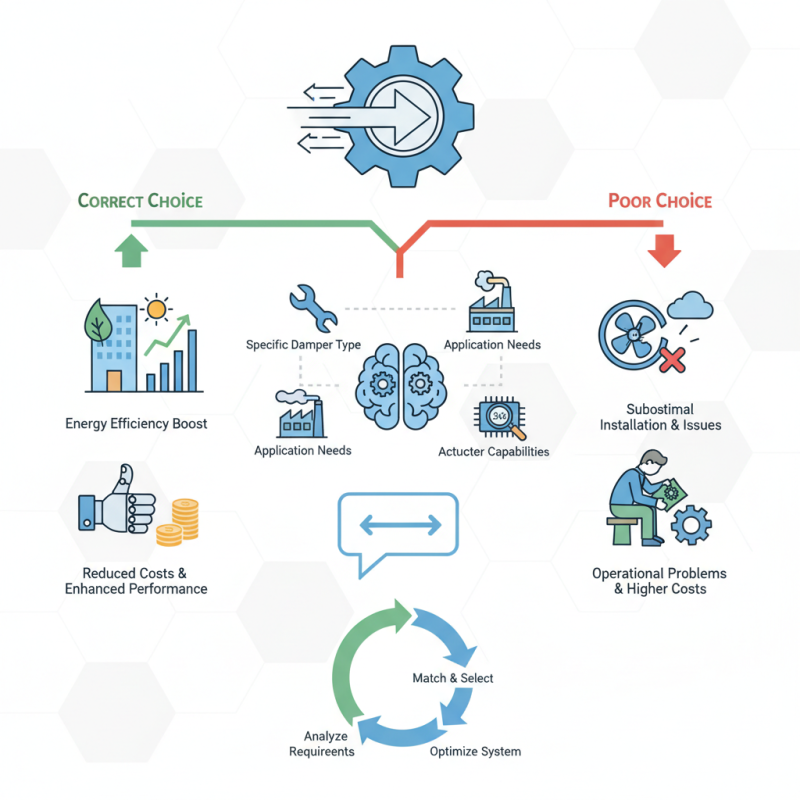
Damper actuators play a crucial role in HVAC systems. They regulate airflow and maintain environmental comfort. A well-functioning damper actuator ensures efficient energy use in buildings. According to the U.S. Department of Energy, proper airflow control can reduce energy consumption by up to 30%. This highlights the importance of selecting the right actuator for your specific needs.
Understanding how damper actuators operate is vital. They typically use electric, pneumatic, or hydraulic power. Each type has distinct advantages and applications. Electric actuators are popular for their precision and ease of integration. Pneumatic actuators excel in high-speed environments. Hydraulic options are robust and suited for larger systems. The choice often depends on system requirements, installation environment, and budget constraints.
While many select actuators based solely on specifications, this can lead to issues. Misalignment and improper torque settings are common problems. Manufacturers report that about 15% of actuator failures stem from incorrect choices. Evaluating your specific environment and operational needs is essential. Taking time to understand these details can prevent costly mistakes and improve system reliability.
When selecting a damper actuator, there are several key factors to keep in mind. The size of the actuator must match the damper's dimensions. If it’s too small, it won’t operate efficiently. A mismatched size often leads to performance issues. Understand the specific application requirements. Different environments can demand varied specifications. For instance, a high-humidity area may require a differently rated actuator.
Another critical aspect to consider is the actuator's power source. Some operate on electricity, while others may use pneumatic or hydraulic systems. Make sure to align your choice with existing infrastructure. Think about the responsiveness of the actuator as well. A slower actuator can lead to system delays. This might seem minor, but it can have significant impacts on overall performance. Also, assess the load conditions; if the damper needs to handle heavy loads, ensure the actuator is robust enough.
Durability and maintenance are essential too. Consider the lifespan of the actuator and the ease of servicing. Complex designs can lead to high maintenance costs. It’s wise to reflect on the long-term implications of your choice. Balancing efficiency, cost, and reliability requires careful thought. Always weigh the pros and cons of each option, ensuring it meets your specific needs efficiently.
When selecting a damper actuator, understanding types and their pros and cons can be crucial. Electric actuators are popular due to ease of installation. They use electrical signals for operation, making them ideal for automated systems. However, they can be costly, with estimates showing that initial investments may reach up to 30% higher than pneumatic options. Maintenance can also be a concern, as electrical components may fail more frequently.
Pneumatic actuators offer quick response times and can operate in harsher environments. Their simplicity in design allows for fewer potential failure points. According to industry reports, around 65% of facilities still prefer pneumatic systems for heavy-duty applications. However, these actuators require a consistent air supply, which can be a limitation in some setups.
Lastly, hydraulic actuators provide significant force and precise movement. They are beneficial in large-scale operations. Yet, they come with substantial weight, which might affect installation. Depending on the application, the need for a robust hydraulic system could be a real challenge, especially in tight spaces. Ultimately, reflecting on these aspects will help in making an informed decision.
This chart compares different types of damper actuators based on their pros and cons ratings. Higher ratings indicate better overall functionality and user satisfaction.
When evaluating performance requirements for damper actuators, it is crucial to consider several factors. The actuator's response time, torque range, and precision must align with the specific application. According to a 2022 market research report, over 45% of user complaints stem from inadequate response times. A slow actuator can lead to inefficiencies in HVAC systems, resulting in energy losses and increased operational costs.
Furthermore, the torque capacities should match the load needs of the damper. In industries that require large dampers, such as power plants, the torque requirement can exceed 200 Nm. Without the right actuator, users may experience reduced system effectiveness. Precision is paramount; even a slight deviation affects airflow control. It’s estimated that up to 30% of air distribution discrepancies result from poor actuator selection.
Remember to consider environmental conditions too. Actuators designed for extreme temperatures or harsh conditions may be necessary in specific settings. The durability of materials plays a significant role. Some reports suggest that the lifespan of actuators can decrease by nearly 25% in corrosive environments if not properly rated. Reflecting on these aspects will guide you toward selecting the optimal damper actuator for your application.
When considering the installation of damper actuators, understanding the physical dimensions is crucial. The actuator must fit the existing air duct or system. Measure the area to ensure proper alignment. Incorrect sizing can lead to functional issues. It's not uncommon to overlook these details. Misfits can result in inefficiencies or mechanical failures.
Maintenance is equally important. Regular inspections are necessary to keep the actuator functioning properly. Check for wear and tear on moving parts. Lubrication may be needed to avoid friction. Dust buildup can hinder performance. Ignoring these tasks can lead to costly repairs. Maintenance best practices are often forgotten. Set reminders for routine checks to ensure longevity.
| Criteria | Description | Considerations |
|---|---|---|
| Torque Requirement | The amount of turning force needed to operate the damper. | Determine based on damper size and airflow resistance. |
| Actuator Type | Electromechanical, Pneumatic, or Hydraulic actuator. | Consider system compatibility and installation complexity. |
| Control Mechanism | On/Off, modulating, or proportional control. | Choose based on the desired level of damper control and feedback. |
| Power Supply | Voltage and phase requirements for the actuator. | Ensure availability at installation site; consider energy efficiency. |
| Environmental Conditions | Operating temperature, humidity, and chemical exposure. | Select materials and designs suited for the environment. |
| Installation Space | Physical dimensions and accessibility for installation. | Ensure adequate space for maintenance and service. |
| Maintenance Requirements | The frequency and type of maintenance needed. | Plan for regular checks and part replacements as needed. |