What is a Construction Security Camera and How Does it Improve Site Safety
In today's rapidly evolving construction industry, ensuring the safety and security of a job site has become more crucial than ever. A construction security camera plays a vital role in safeguarding not just the assets on-site, but also the workforce involved. As construction projects often take place over long periods and may involve large areas, having a reliable surveillance system helps monitor activities continuously, reducing the risk of theft, vandalism, and unauthorized access.
The integration of modern technology into construction security has brought about innovative solutions to enhance site safety. With features like real-time video monitoring, motion detection, and remote access capabilities, construction security cameras provide a comprehensive approach to risk management. These cameras not only deter potential threats but also serve as valuable tools for analyzing incidents when they occur, allowing project managers to respond effectively and make informed decisions for future safety protocols.
As we delve deeper into the advantages of construction security cameras, it becomes evident that their implementation is not merely a protective measure but a proactive strategy aimed at fostering a safer working environment. Understanding how these cameras improve site safety can empower construction professionals to invest wisely in technology that ultimately contributes to the success and integrity of their projects.
What is a Construction Security Camera?
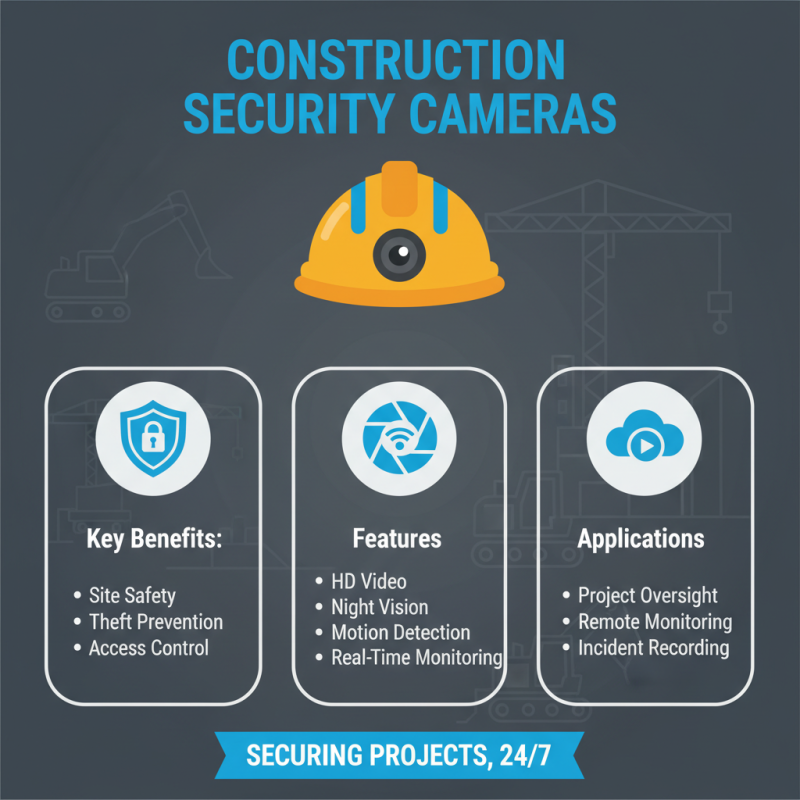
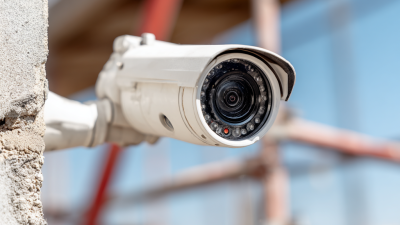
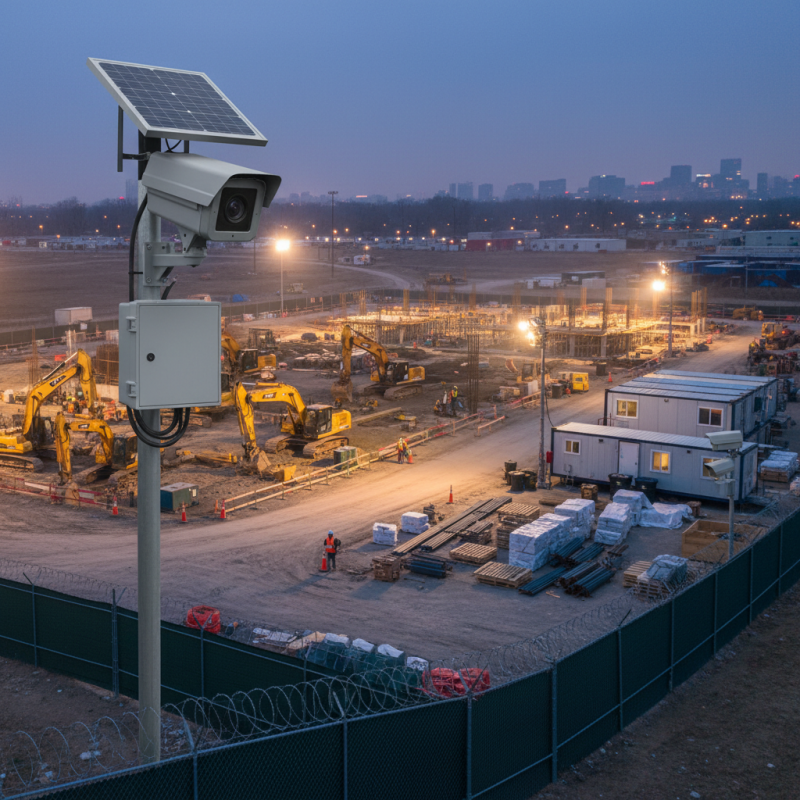
A construction security camera is a specialized surveillance system designed to monitor construction sites, ensuring safety and security throughout the project duration. These cameras are strategically placed to provide comprehensive coverage of the site, allowing for real-time monitoring and recording. They often feature high-resolution video, night vision capabilities, and motion detection, which helps in identifying potential hazards or unauthorized access. By capturing detailed footage, these cameras serve as a vital tool for oversight, enabling site managers to keep a close eye on operations and maintain a secure environment.
The deployment of construction security cameras enhances site safety in several ways. First, they deter theft and vandalism, as the visible presence of cameras can discourage potential criminal activities. Secondly, in the event of an accident, recorded footage can provide crucial evidence that aids in understanding the incident and improving safety protocols. Furthermore, these cameras can facilitate communication among team members by allowing them to review specific tasks and ensure that safety standards are being followed. Overall, the integration of construction security cameras is an essential step towards creating a safer and more efficient work environment on construction sites.
Key Features of Construction Security Cameras
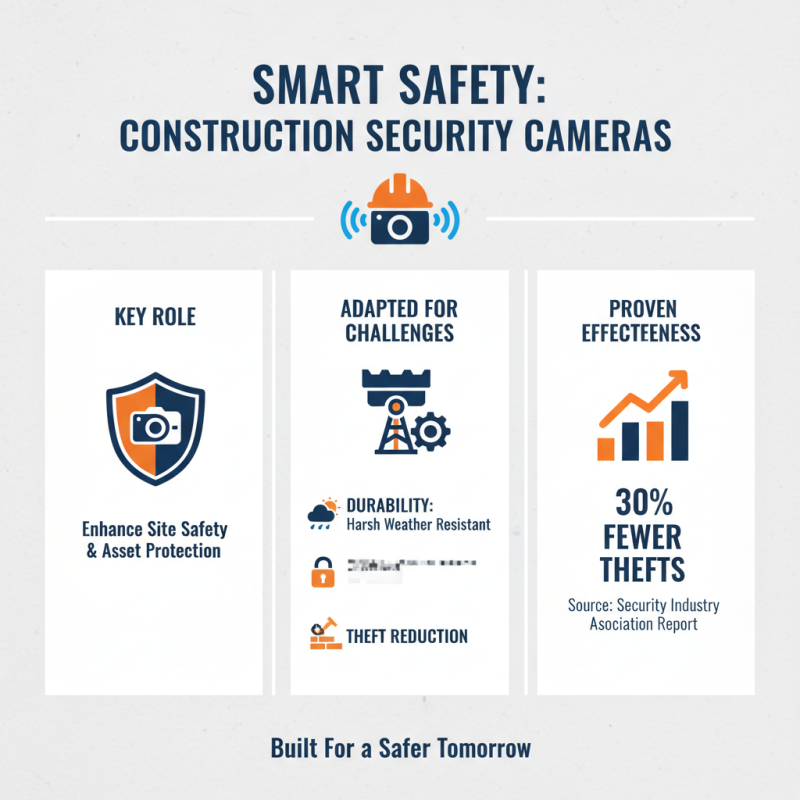
When it comes to enhancing safety at construction sites, construction security cameras play a pivotal role. These cameras are designed with specific features that cater to the unique challenges of construction environments. A key feature is their durability; many models are built to withstand harsh weather conditions, providing reliable surveillance regardless of external factors. According to a report by the Security Industry Association, construction sites that employ robust security measures, including the use of surveillance cameras, experience approximately 30% fewer theft incidents, showcasing the effectiveness of these tools in protecting valuable assets.
Another significant feature is remote monitoring capability, which allows site managers to access live feeds from anywhere, significantly improving situational awareness. The National Association of Security Companies highlights that real-time monitoring is essential; it helps in responding promptly to potential safety hazards or unauthorized access attempts. Moreover, advanced image and video quality ensure that any incidents are clearly captured, which can be crucial for incident investigations or legal purposes. As the construction industry continues to grapple with safety and security challenges, investing in technology such as security cameras can lead to a safer working environment and ultimately enhance operational efficiency.
Benefits of Using Security Cameras on Construction Sites
Security cameras play a crucial role in enhancing safety on construction sites by providing comprehensive surveillance and monitoring capabilities. One of the primary benefits is the deterrence of potential theft and vandalism. By placing visible cameras around the site, the likelihood of criminals targeting the area decreases significantly. This not only protects valuable equipment and materials but also cultivates a sense of security among workers, allowing them to focus on their tasks without distraction.
In addition to theft prevention, security cameras help in ensuring compliance with safety regulations. By continually monitoring activities on site, supervisors can identify unsafe practices or conditions in real time. This enables immediate intervention to correct any issues, thereby preventing accidents and promoting a safer working environment. Furthermore, recorded footage serves as an invaluable resource for training purposes, providing insights into safe practices and reinforcing the importance of adhering to safety protocols. Overall, integrating security cameras into construction site management leads to improved safety outcomes and fosters a culture of accountability among the workforce.
How Construction Cameras Enhance Safety and Security
Construction cameras have emerged as a critical tool for enhancing safety and security on construction sites. According to a report by the National Institute for Occupational Safety and Health (NIOSH), construction sites account for over 20% of worker fatalities in the U.S., emphasizing the need for improved monitoring solutions. By providing real-time surveillance and documentation, construction cameras can significantly reduce on-site accidents and unauthorized access, thereby contributing to a safer working environment.
One of the main advantages of using construction cameras is their ability to deter theft and vandalism, which cost the construction industry billions annually. According to the industry's estimates, construction thefts can amount to over $1 billion each year. Cameras not only help in monitoring construction equipment and materials but also assist in maintaining accountability among workers by ensuring that all activities are recorded. Additionally, these cameras can be used for training purposes, providing concrete examples of safety compliance or violations on the site.
Furthermore, construction cameras enhance communication among team members by offering visual documentation of daily progress and safety protocols. A study from the Associated General Contractors of America highlighted that projects with integrated video surveillance report a 50% decrease in safety incidents compared to those without such measures. This integration of technology not only fosters a culture of safety but also aids in quick incident response, ensuring that potential risks are identified and addressed promptly. Thus, the role of construction cameras in improving safety and security on construction sites cannot be overstated.
Impact of Construction Security Cameras on Site Safety
The following chart illustrates the correlation between the implementation of construction security cameras and the reported incidents on construction sites over a period of one year. As security cameras are installed, the number of incidents tends to decrease, demonstrating their effectiveness in enhancing site safety.
Best Practices for Implementing Security Cameras in Construction
Implementing security cameras on construction sites has become an essential strategy for enhancing safety and protecting assets. According to a report by the National Equipment Register, theft and vandalism can lead to losses of up to $1 billion annually in the construction industry. Hence, the strategic placement of security cameras can deter criminal activities and provide critical evidence in case incidents occur. It creates a visible presence that can discourage unauthorized access and enhance overall site security.
Best practices for implementing security cameras include performing a thorough site assessment before installation. This involves identifying high-risk areas where theft or accidents are more likely to occur, such as equipment storage locations and access points. Furthermore, cameras should be equipped with features such as night vision and motion detection, which were shown to reduce incidents by up to 30% according to industry analysis. Regular maintenance and monitoring of the camera feeds ensure that they remain functional and effective at all times. Training staff to understand how to operate and respond to security camera alerts is also crucial for maximizing their effectiveness on the job site. Implementing these best practices helps create a safer working environment and can significantly reduce operational costs associated with theft and liability claims.
What is a Construction Security Camera and How Does it Improve Site Safety
| Dimension |
Details |
| Camera Type |
High-definition IP cameras |
| Installation Locations |
Perimeter, entry points, high-value equipment areas |
| Features |
Night vision, motion detection, remote access |
| Benefits |
Deterrent against theft, incident documentation, enhanced safety |
| Best Practice 1 |
Conduct site surveys to identify key areas for camera placement |
| Best Practice 2 |
Ensure proper lighting and visibility at installation sites |
| Best Practice 3 |
Regular maintenance checks and updates of camera systems |
| Compliance |
Adhere to privacy laws and regulations related to surveillance |