What is a Roll Lamination Machine and How Does It Work?
In the modern manufacturing landscape, the Roll Lamination Machine plays a crucial role. It enhances production efficiency in various industries, such as automotive and packaging. According to recent industry reports, the global lamination market is expected to reach over $10 billion by 2025. This growth is driven by the increasing demand for durable and protective materials.
Roll lamination provides a seamless application process. It ensures that films and adhesives bond flawlessly. This machine utilizes heat and pressure to achieve optimal results. Despite its technological advancements, there are challenges. Operators must ensure precise calibration to avoid defects. Misalignment can lead to waste and increased costs.
Moreover, not all facilities use a Roll Lamination Machine effectively. Some industries still rely on outdated methods. This reluctance can result in longer production times. Companies must evaluate their processes. Investing in modern lamination technology is sometimes overlooked but can lead to growth and efficiency. It’s vital to rethink strategies to stay competitive in a fast-evolving market.
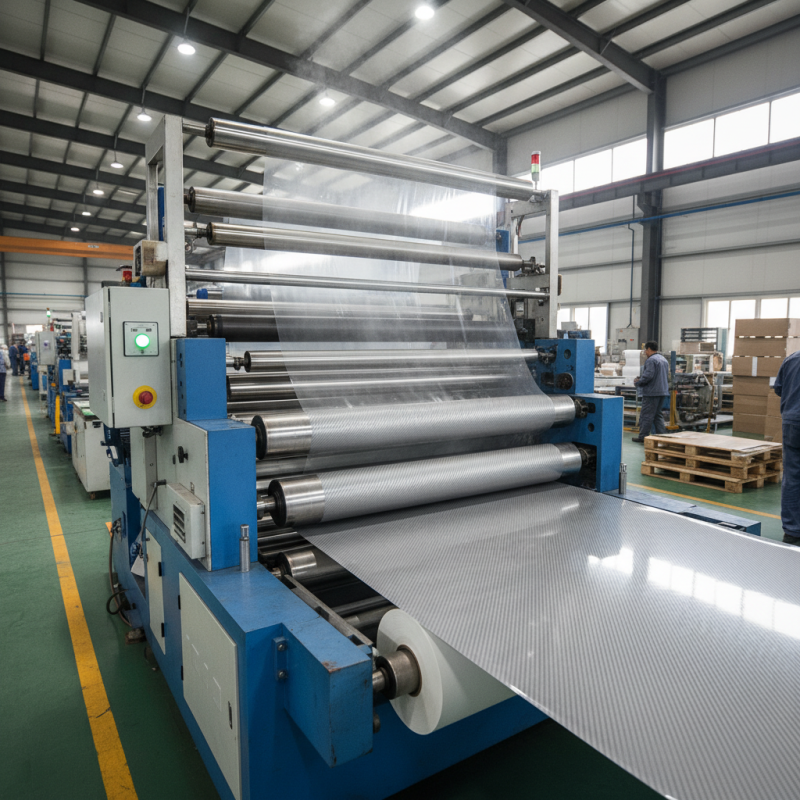
What is a Roll Lamination Machine?
A roll lamination machine is a specialized device used in manufacturing. It applies a protective layer onto various materials, enhancing their durability. This machine operates by feeding materials through rollers. These rollers apply heat and pressure, adhering the laminate seamlessly.
Lamination is crucial for products like labels, packaging, and photographs. Using this machine can significantly prolong the life of these items. The process ensures that the laminate covers the entire surface, eliminating any air bubbles. However, operators must maintain careful monitoring, as imperfections may occur with improper settings. The result can lead to uneven lamination or even material damage.
Effective use of a roll lamination machine requires training and attention to detail. It's not just about the machine itself but also the skill of the operator. Continuous reflection on the process can lead to improvements. Adjusting temperatures and speeds can be complex, but it’s key for better outcomes. Even small mistakes can ripple through the production line.
Roll Lamination Machine Production Capacity
This bar chart displays the production capacity (in square meters) of various roll lamination machines used in the packaging industry over the last year. The data shows the varying capabilities of machines available in the market.
Key Components of a Roll Lamination Machine
A roll lamination machine is essential in various manufacturing sectors. It helps to combine multiple materials into a single cohesive product. Understanding its key components is vital for efficient operation.
One primary component is the rollers. Typically, these rollers are made from hardened steel. They exert pressure on materials as they pass through. The pressure can reach up to 10 tons per square inch, ensuring a tight bond. Moreover, temperature control systems are crucial as heat may enhance the adhesive qualities. Accurate temperature regulation is necessary to achieve optimal results.
Another important part is the control panel. It allows operators to set the parameters. Operators can monitor speed, pressure, and temperature in real-time. Studies show that improper settings can lead to a 20% decrease in production efficiency. Reflecting on how controls are set can reveal areas for improvement. Regular maintenance of the components is also needed. Deterioration can cause malfunction and downtime, which is costly.
How Roll Lamination Machines Operate Step-by-Step
Roll lamination machines are vital in many manufacturing processes. They create a durable bond between materials. The setup involves placing rolls of film and the substrate together. This process often seems straightforward but needs precision. Even a small misalignment can affect the final product. Operators must pay attention.
The operation begins with feeding the substrate into the machine. It travels through heated rollers. These rollers apply pressure and heat simultaneously. The film adheres to the substrate. After passing through, the product emerges laminated. Sometimes, the film wrinkles or bubbles form. This indicates an issue, and adjustments must be made quickly.
Regular maintenance is crucial for optimal performance. Operators need to clean and check components frequently. Understanding the machine's quirks can help address problems. Each machine is slightly different. Fine-tuning settings is often necessary for top-quality results. Mistakes will happen, but learning from them is key.
Applications of Roll Lamination Machines in Various Industries
Roll lamination machines serve numerous industries by bonding materials together. These machines are versatile and efficient, offering a range of applications. In packaging, they enhance durability by sealing layers of plastic or paper. This makes products more resistant to moisture and tampering.
In the automotive sector, roll lamination machines create insulated components. These components help in noise reduction and improve energy efficiency. Their ability to handle various materials ensures they meet diverse manufacturing needs. However, the process requires careful calibration to avoid wastage.
Additionally, in electronics, these machines are crucial for producing flexible circuit boards. The precision they provide enables intricate designs that are essential for modern gadgets. Yet, achieving the perfect bond can sometimes be challenging. It’s important to continuously monitor quality and adjust settings as needed.
Benefits of Using Roll Lamination Machines for Production Processes
Roll lamination machines are essential in many production environments. They provide a way to bond materials together efficiently. This process adds durability and a professional finish to products. Using these machines can improve workflow and reduce material waste.
One significant benefit of roll lamination is the speed of production. These machines operate quickly, allowing for high-volume output. This efficiency can lead to savings on labor costs. Additionally, the automated process minimizes human error. However, if not monitored correctly, it may result in faults.
Tips: Regular maintenance is crucial. Ensure that the machine’s rollers are clean and functioning well. It can prevent costly downtime and defects in laminated products. Always perform test runs to check settings and material compatibility.
Using roll lamination can enhance product appeal. Laminated products often look more polished and professional. This appealing finish can attract more customers. Yet, consider the environmental impact of the materials used. Not all laminates are eco-friendly, which is a concern for many.
