
In the competitive world of rubber manufacturing, efficiency is paramount. Industry expert Dr. Harry Mason once said, "Mixing quality directly impacts product performance." This rings especially true when discussing the "9 Rubber Mixing Mill" techniques. These methods can transform how rubber is mixed, optimizing both quality and efficiency.
Operators often face challenges. For instance, the precision of temperature control can make or break a batch. Neglecting this can lead to inconsistencies in the final product. The "9 Rubber Mixing Mill" tips emphasize the importance of monitoring these factors closely. They serve as practical guidelines, ensuring that every mix meets the desired specifications.
Adapting and implementing these tips may require a shift in routine. It's a continuous learning process. Sometimes, the simplest adjustments lead to the most significant improvements. Engaging with the “9 Rubber Mixing Mill” strategies can provide new insights and potentially spark innovative solutions. The journey to superior mixing performance is ongoing, urging professionals to reflect and improve continuously.
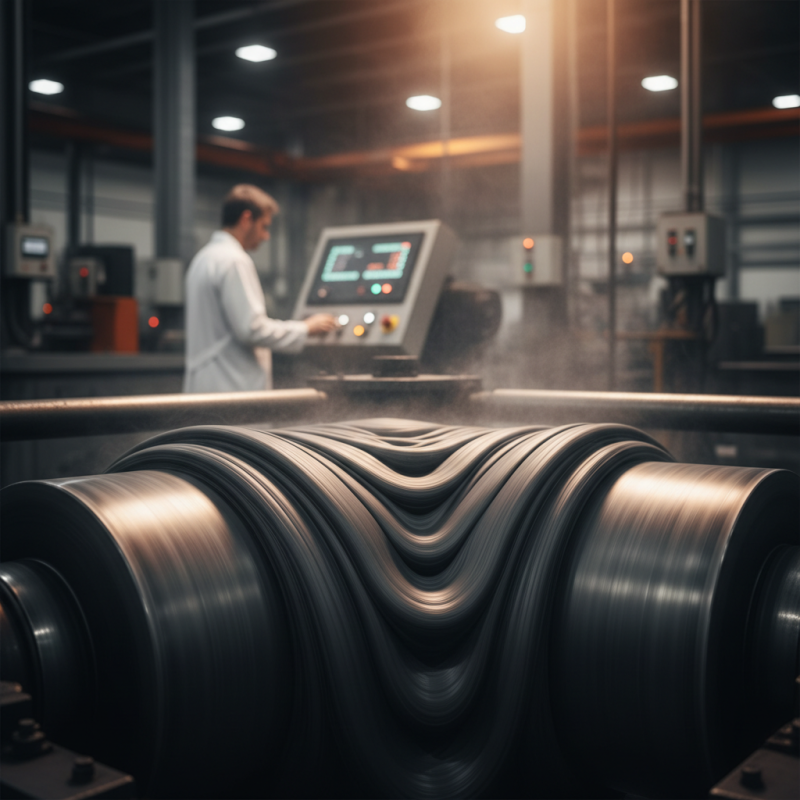
Proper maintenance of rubber mixing mills can significantly enhance their performance. Regular inspections are crucial. They help identify wear and tear. Operators should check for any misalignment in rollers. Misalignment can lead to uneven mixing and wear. It is essential to lubricate moving parts regularly. Neglecting lubrication may cause increased friction and heat. Over time, this can lead to equipment failure.
Cleaning the mixing area is another vital practice. Accumulated rubber dust can affect mill efficiency. A clean environment helps in better performance. Operators should also check the temperature and pressure settings frequently. Incorrect settings can cause poor mixing quality. Ensure that the mill is not overloaded. Overloading can strain components and lead to breakdowns.
While these maintenance tips seem simple, they require diligence. Operators often overlook minor issues. A small imbalance can escalate into costly repairs. Regular training for staff is beneficial as well. Knowledgeable employees can spot potential problems early. Reflecting on these practices can create a more efficient workflow. The goal is to maintain equipment longevity and consistency in production.
Optimizing mill speed is crucial for enhanced performance in rubber mixing. Adjusting speed can affect the degree of mixing and material properties. A higher speed often leads to better dispersion but can also increase heat. This heat can degrade material quality if not managed well. Experimenting with different speeds is essential for finding that perfect balance.
Temperature control is equally important. Too much heat can make rubber difficult to work with. On the other hand, inadequate heat may result in poor mixing. Using thermocouples can provide real-time temperature readings. Adjusting cooling systems or incorporating heat sinks can help maintain the desired temperature. Monitoring temperature closely reduces the risk of over-processing.
Reflection is key in this optimization process. It’s essential to analyze what works well and what doesn’t. Sometimes, changes can yield unexpected results. Small adjustments can lead to significant improvements or setbacks. Fine-tuning requires patience and a willingness to learn from both successes and failures.
Choosing the right types of rollers and blades is crucial for rubber mixing mills. Rollers play a vital role in the mixing process. They need to be selected based on the specific compound being processed. Different materials may require different roller hardness. This can greatly affect the efficiency and effectiveness of the mixing.
Blades are equally essential. The wrong blade type can lead to uneven mixtures. Blades should match the roller configuration. This allows for optimal shear and mixing. Consideration must be given to the shape and size of the blades. Often, users overlook this detail. It results in inconsistent product quality.
Adjustments might be necessary over time as wear takes place. Regularly assessing blade and roller conditions is important. It's easy to forget about maintenance when production is high. Paying attention to these often-overlooked components can lead to improvements. A small change might dramatically enhance performance. Don't underestimate the impact of well-chosen rollers and blades.
Efficient material handling is crucial for maximizing performance in rubber mixing mills. It starts with the organization of raw materials. Keeping everything in designated areas prevents delays. For example, using color-coded bins helps workers quickly identify materials. However, not all mills invest in labeling systems. This can lead to confusion and wasted time.
Training operators in proper techniques is essential. They should understand the importance of flow and placement. Accidentally dropping materials can lead to contamination or loss. Regular training sessions can address this issue, but many facilities overlook them. Additionally, maintaining a clean work environment reduces errors. Clutter can cause inefficiencies that are hard to track.
Investing in the right equipment can enhance the process. Dedicated conveyors can streamline material movement. A slow or malfunctioning conveyor can complicate operations. Identifying such issues early is key. Yet, many teams disregard routine checks. A simple inspection can save time and effort in the long run. Overall, focusing on these handling techniques can lead to significant improvements in overall efficiency.
| Tip Number | Tip Description | Expected Outcome | Efficiency Improvement (%) |
|---|---|---|---|
| 1 | Regularly check and maintain mill alignment. | Reduced wear and tear on equipment. | 10% |
| 2 | Optimize the mixing temperature for specific materials. | Improved material properties. | 15% |
| 3 | Implement automated feeding systems. | Consistent material input. | 20% |
| 4 | Use high-quality additives to enhance mixing. | Higher quality final product. | 12% |
| 5 | Monitor and control mixing time closely. | Better consistency in output. | 18% |
| 6 | Train staff on best practices for usage. | Improved overall operational efficiency. | 15% |
| 7 | Incorporate regular viscosity tests during mixing. | Optimal mixing conditions maintained. | 10% |
| 8 | Schedule routine cleaning of the mixing mill. | Reduced contamination and downtime. | 14% |
| 9 | Employ predictive maintenance techniques. | Minimized unexpected breakdowns. | 25% |
Regular training for operators and technicians plays a crucial role in optimizing rubber mixing mill performance. According to a study by the Rubber Manufacturers Association, companies with well-trained staff can improve operational efficiency by as much as 20%. Knowledgeable operators are less likely to make costly mistakes. They can identify problems early, which can save significant downtime.
Training sessions that focus on the nuances of equipment operation are essential. They should include hands-on practice and troubleshooting techniques. Engaging training can lead to better understanding and quicker response times. Reports indicate that effective training can reduce error rates by 30%. However, training programs are often undervalued. Many companies might allocate insufficient time or resources, leaving technicians unprepared.
Frequent assessments of training effectiveness can be beneficial. This might not happen as often as it should. If ongoing education is neglected, the skills of operators can stagnate. Identifying gaps and addressing them promptly is necessary but often overlooked. Consistent investment in training leads to a more skilled workforce, ultimately increasing the longevity and efficiency of rubber mixing mills.