
Sandblast rubber hoses play a crucial role in various industries, particularly in construction and manufacturing. According to a recent report by Markets and Markets, the global sandblast hose market is projected to reach $120 million by 2025. This growth reflects the increasing demand for durable and efficient hoses capable of handling abrasive materials.
Expert Mark Thompson, a leading figure in industrial hose solutions, stated, "The quality and flexibility of sandblast rubber hoses directly impact operational efficiency." His insight highlights the importance of selecting the right materials for specific applications. These hoses endure high pressure and heavy usage, making their quality paramount.
Many users still struggle with issues like hose wear and inadequate pressure ratings. Without proper maintenance and inspection, safety hazards can arise. Investing in high-grade sandblast rubber hoses is essential for minimizing such risks and ensuring long-term performance. Awareness of these factors is key for industries relying on these critical components.
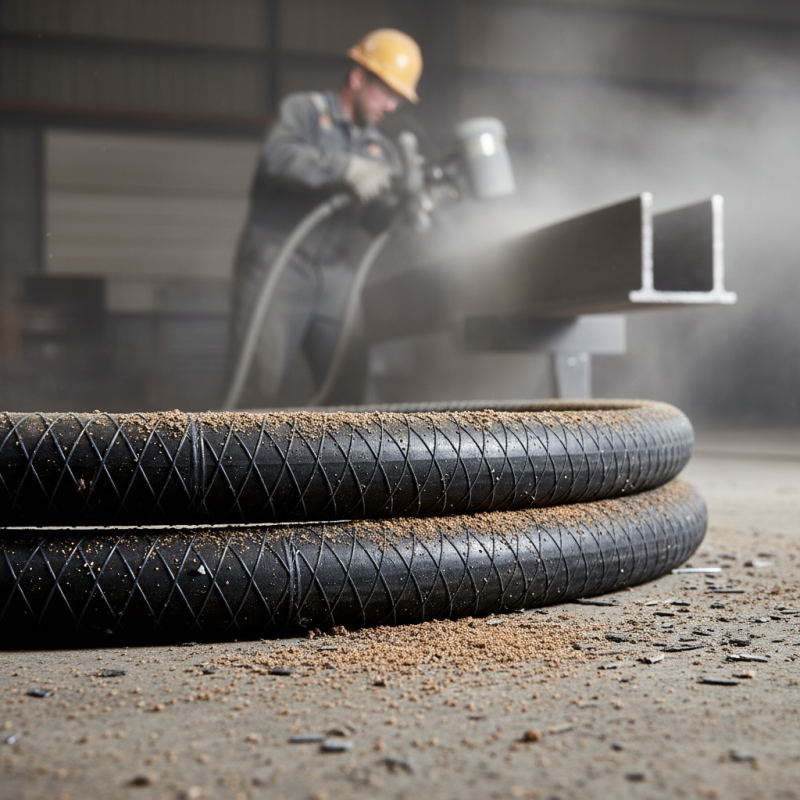
Sandblast rubber hoses are essential tools in various industries. These hoses transport abrasive materials like sand and other media. Understanding their structure and function is crucial for safe and effective use. The outer layer typically features a durable rubber that can withstand high pressures and harsh conditions. The inner lining, often reinforced, prevents damage from the abrasive materials.
Using sandblast rubber hoses may seem straightforward, but issues can arise. For instance, improper handling can lead to air leaks or ruptures. Regular inspection is vital. Users should always check for any signs of wear and tear. The right hose length also matters. A hose that is too long may reduce efficiency, while one that is too short could strain the connections.
In practice, it's easy to overlook the small details. Ensuring the correct fittings are used can make a big difference. Documentation about usage and maintenance is often neglected. Tracking performance and wear can be helpful. While sandblast rubber hoses are robust, they require attention and care. Understanding these nuances can lead to better outcomes and longer hose life.
| Feature | Description | Applications | Benefits |
|---|---|---|---|
| Material | Synthetic rubber compounds designed to withstand abrasion | Sandblasting, shot blasting, and abrasive cleaning | Durable and resistant to wear |
| Pressure Rating | Typically rated between 80 to 120 PSI | Industrial applications requiring high pressure | Ensures safety during high-pressure operations |
| Temperature Range | Can operate in temperatures from -20°F to 180°F | Hot and cold sandblasting environments | Versatile for various temperature conditions |
| Flexibility | Flexible and lightweight design | Easy maneuverability in tight spaces | Reduces operator fatigue |
| Size Options | Available in various diameters from 1/2" to 4" | Customizable for different sandblasting setups | Provides options for specific needs |
Sandblast rubber hoses are essential in many industries, especially in sandblasting and surface preparation. The performance of these hoses relies heavily on their materials. Typically, they are constructed from a blend of natural and synthetic rubber, designed to withstand extreme abrasion and high pressure. According to industry reports, rubber hoses must handle pressures up to 150 PSI in sandblasting applications.
The key materials used in sandblast rubber hoses include reinforced textiles and rubber compounds. Reinforcements can come from polyester or aramid layers, enhancing strength and flexibility. These materials ensure that the hoses can endure the harsh conditions of sandblasting environments. Rubber compounds often incorporate neoprene or nitrile, which are noted for their resistance to wear and aging. However, the balance of these materials is critical. The improper mix can lead to hose failure or reduced lifespan.
Data suggests that using lower-quality rubber can result in increased maintenance costs by up to 30%. It’s clear that investing in high-quality materials pays off, but many businesses still opt for cheaper alternatives. This decision can be costly in the long run. Additionally, while high-performance hoses give excellent results, they may not fit every budget. It’s a pressing issue companies must address.
Sandblast rubber hoses are essential in various industrial applications. They are primarily used for sandblasting, a process that involves propelling abrasive materials at high speeds. This process helps in surface preparation, cleaning, and finishing. According to industry reports, the sandblasting equipment market is expected to grow at a rate of 4.5% annually. This growth drives the demand for durable and efficient rubber hoses.
These hoses are also crucial in construction and manufacturing sectors. They transport abrasive materials like sand or aluminum oxide. Their design must endure high pressure and ensure safety. Hoses are typically made from multiple layers of rubber and reinforcement materials. Proper maintenance is vital, as damaged hoses can lead to serious injuries. A report from the Machinery and Equipment Association notes that around 12% of workplace injuries are related to improper equipment use.
Tip: Always inspect hoses before use. Look for cracks or worn areas to prevent accidents. Regular inspection can save lives and avoid costly downtime.
Sandblast hoses find utility in automotive detailing, where they help remove paint, dirt, and rust. They're also used in surface preparation before painting. The versatility of these hoses makes them a go-to choice in various applications. However, users often ignore manufacturer guidelines. This neglect can lead to failures and repair costs. A little attention here can go a long way in extending the hose's life and ensuring safety.
When it comes to sandblast rubber hoses, proper maintenance is key. These hoses endure harsh conditions, making their care crucial for longevity. Regular inspection can reveal wear and tear early. Look for cracks or abrasions. Even minor damage can lead to more significant problems over time.
Tips for extending the life of sandblast hoses include keeping them clean. Dust and debris can accumulate inside. After each use, wipe the exterior. A soft cloth or brush works well. Store hoses in a cool, dry place. Avoid sharp bends; they can weaken the material.
Also, pay attention to pressure levels. Excessive pressure can strain hoses beyond their limits. Always adhere to recommended specifications. Replace them if you notice any signs of fatigue. This simple habit can save you from costly replacements down the line. Regular maintenance isn’t perfect; it requires vigilance. Small oversights can lead to larger issues.
When using sandblast rubber hoses, safety should always be a priority. These hoses are designed to withstand high pressure, but improper use can lead to serious injuries. Always inspect the hoses for any signs of wear or damage before use. Cracks or cuts can weaken the hose, increasing the risk of rupture during operation. Remember, safety gear is essential. Wearing goggles and masks can protect you from flying debris and harmful dust.
Proper handling of sandblast hoses is crucial. Ensure that connections are tight to prevent leaks. Use a hose reel where practical to avoid kinks or twists. These small details can significantly impact safety. It’s also important to train operators. Inexperienced users may not recognize the risks involved. Regular training sessions can help reinforce best practices and safety measures.
Another common issue is the temperature of the material being used. Extreme heat can affect the integrity of the hose. Always monitor the temperature and adjust your operation accordingly. Risky decisions may lead to accidents. Take a moment to think about safety at all times. It’s better to be cautious than to face regrettable outcomes. Safety should never be an afterthought; it should be integral to every sandblasting operation.