What is Stainless Hex Nuts and How Are They Used?
In the world of fastening technology, Stainless Hex Nuts play a crucial role. John Smith, a leading expert in fastener solutions, once remarked, “Stainless hex nuts are the backbone of robust assemblies.” These nuts are essential for securing bolts in various applications, from construction to automotive. Understanding their properties and uses can help professionals make better choices.
Stainless hex nuts are fabricated from corrosion-resistant materials, making them ideal for outdoor and marine environments. Their hexagonal shape allows for easy tightening with wrenches. In industries like manufacturing, they enhance the durability of machinery. However, not all hex nuts are created equal. Using the wrong type can lead to failures in critical assemblies.
Attention to detail is key when selecting stainless hex nuts. They come in various grades and sizes, each suited for specific tasks. Ignoring these specifications can result in vulnerabilities. It’s essential to reflect on how these small components impact larger systems. The right choice significantly affects project longevity and safety in construction.
What Are Stainless Hex Nuts?
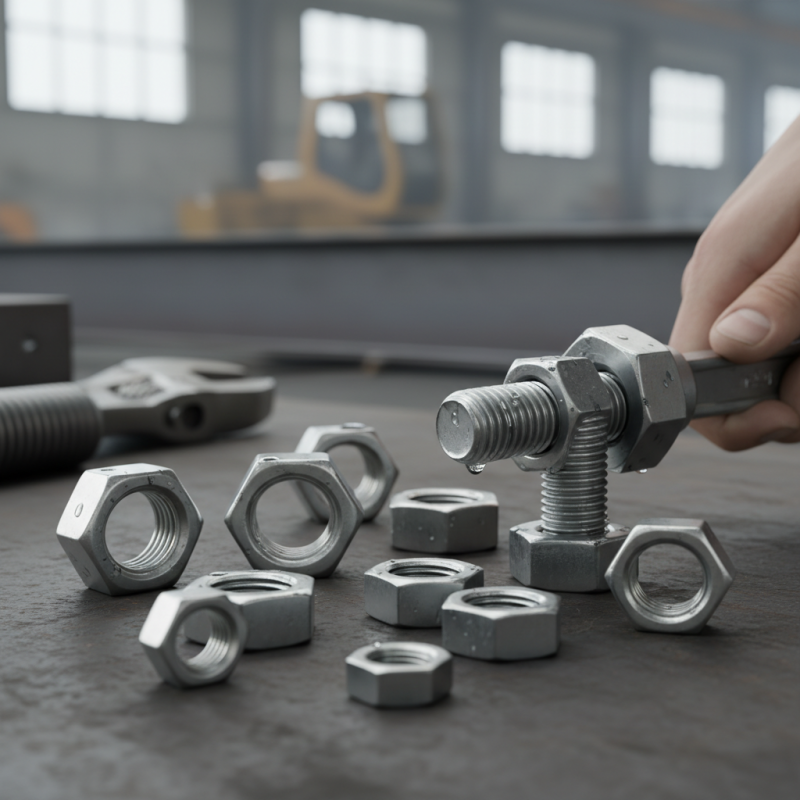
Stainless hex nuts are essential fasteners commonly used in various industries. Made from stainless steel, they resist corrosion and enhance durability. The composition of stainless steel typically includes iron, chromium, and sometimes nickel. This offers excellent mechanical strength and temperature resistance. According to industry reports, demand for stainless hex nuts is projected to grow by 5% annually.
These nuts are primarily hexagonal in shape, allowing for versatile applications. They fit snugly with corresponding bolts, providing secure fastening in assemblies. Users often find them in construction, automotive, and machinery sectors. Notably, irregularities in manufacturing, such as inconsistent threading, can lead to performance issues.
While stainless hex nuts are robust, they may not be ideal for every application. In high-stress environments, users should consider alternative materials. Some reports indicate that improper installation may lead to reduced effectiveness. Awareness of these challenges is crucial for optimal use.
Types of Stainless Hex Nuts and Their Specifications
Stainless hex nuts are essential components in various applications. They come in different sizes and specifications. Understanding these types is crucial for successful use in projects.
One popular type is the standard hex nut, often made from stainless steel grades like 304 and 316. Grade 304 is commonly used due to its excellent corrosion resistance. In contrast, 316 offers superior protection against chlorides, making it ideal for marine environments. The width of the nut and the thread specifications can vary. For instance, a standard nut typically conforms to the ANSI/ASME B18.2.2 standard, which ensures compatibility with standard bolts.
Other types include slotted hex nuts and nylon insert lock nuts. Slotted options allow for secure attachment with a pin, while lock nuts prevent loosening. Industry data indicates that over 40% of fastening failures occur due to nut slippage. This highlights the importance of selecting the right type for the application. Using inappropriate nuts can lead to structural failures. Hence, always analyze the requirements before selection.
What is Stainless Hex Nuts and How Are They Used? - Types of Stainless Hex Nuts and Their Specifications
| Type | Material | Size (mm) | Grade | Application |
| Hex Nut | Stainless Steel 304 | 8, 10, 12, 16 | A2 | General Engineering |
| Flange Nut | Stainless Steel 316 | 10, 12, 14, 20 | A4 | Marine Applications |
| Lock Nut | Stainless Steel 304 | 6, 8, 10, 14 | A2 | Vibration Resistance |
| Serrated Nut | Stainless Steel 316 | 8, 10, 12, 16 | A4 | High Shear Strength |
Common Applications of Stainless Hex Nuts
Stainless hex nuts are versatile fasteners known for their strength and resistance to corrosion. These nuts are commonly used in various applications across different industries. For instance, in construction, they secure bolts in structures, ensuring stability. In automotive manufacturing, they hold together critical components, enhancing safety and performance.
Additionally, stainless hex nuts are prevalent in marine environments. They withstand harsh conditions, resisting rust and degradation. This is crucial for boat assembly and dock construction. In household projects, these nuts help in furniture assembly, providing durability and reliability. Their adaptability makes them essential in DIY projects as well.
However, the correct size and threading must be matched with bolts for proper use. Improper sizes can lead to weak connections or even failure. Users must pay attention to these details. Choosing the right stainless hex nut may take time and consideration. Each application presents unique challenges that require thoughtful solutions.
Benefits of Using Stainless Hex Nuts in Construction
Stainless hex nuts are vital in construction. They ensure a secure fastening for various structures. Their unique materials provide strength and corrosion resistance. This durability makes them ideal for outdoor applications. They can withstand harsh weather conditions, unlike standard nuts. This characteristic reduces the need for replacements.
Using stainless hex nuts offers several benefits. They provide a strong hold when paired with bolts. This combination prevents loosening over time. Additionally, the smooth surface minimizes friction and allows for easier assembly. Workers appreciate how easily they can be tightened or loosened. This efficiency saves time on projects.
Tips for optimal use include checking compatibility with bolts. Ensure the thread sizes match up correctly. Also, consider the environment. For coastal areas, stainless steel offers better performance against saltwater corrosion. Regular inspections can identify wear before it becomes a major issue. Overall, stainless hex nuts are a practical choice for construction needs.
Installation and Maintenance Tips for Stainless Hex Nuts
Stainless hex nuts are vital in construction and manufacturing. They ensure secure assemblies in various applications. However, proper installation and maintenance are crucial for optimal performance. Studies show that inadequate installation can lead to a 30% increase in failure rates.
During installation, it’s important to ensure proper torque specifications are met. Over-tightening can cause stress fractures. This is especially true in high-vibration environments. A simple torque wrench can help achieve the right tension. Regular checks are recommended every few months, depending on the application.
Maintenance involves periodic inspections. Look for signs of wear or corrosion. Even stainless steel can rust under certain conditions. Replace any damaged nuts immediately. Make sure to clean the surfaces to allow for proper sealing. Neglect can lead to unexpected failures, costing time and resources. Regular attention can significantly extend the lifespan of these components.
Usage and Maintenance of Stainless Hex Nuts
