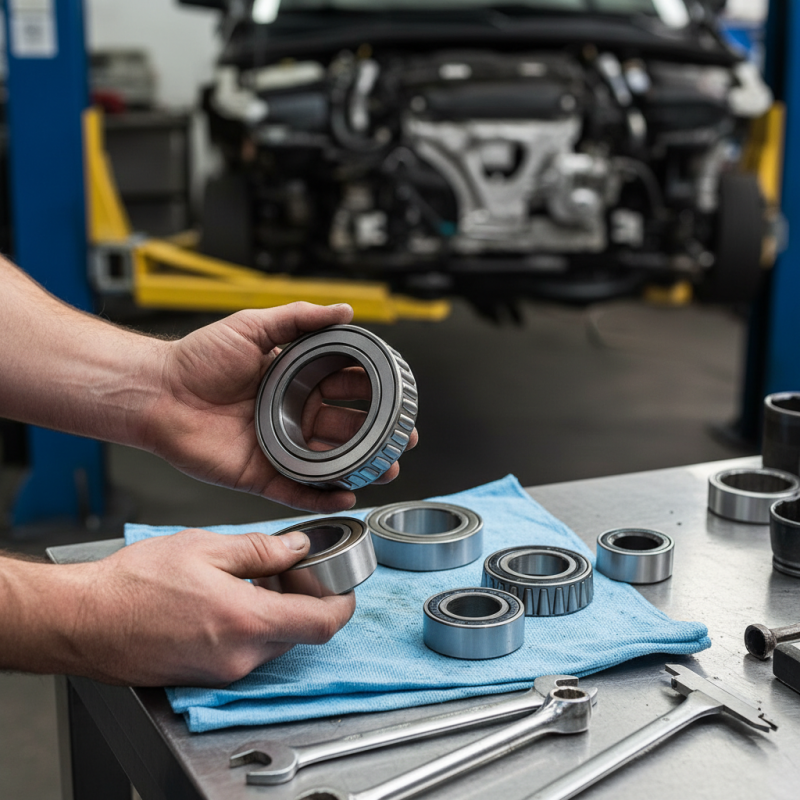
Essential Tips for Choosing Auto Parts Bearings for Your Vehicle?
Choosing the right Auto Parts Bearings for your vehicle is crucial. As John Smith, an industry expert, noted, "Quality bearings can make or break your vehicle's performance." This importance cannot be emphasized enough.
When selecting auto parts bearings, consider the material and size carefully. Poor choices can lead to premature wear and failure. Many drivers overlook the details. They might focus solely on price. However, quality often dictates longevity and efficiency.
Not all bearings are created equal. Some may look similar but differ significantly in performance. It's essential to research and verify the manufacturer’s reputation. You should consult reliable sources. Each vehicle has unique requirements. Failing to respect these specifics could result in costly repairs.
Understanding the Role of Bearings in Vehicle Performance and Safety
Bearings play a crucial role in a vehicle’s overall performance and safety. They reduce friction between moving parts, ensuring a smooth operation. When bearings work efficiently, they contribute to better fuel efficiency and improved handling.
A malfunctioning bearing can lead to a series of complications, including overheating and excessive wear on other components. This risk emphasizes the importance of choosing the right bearings for your vehicle.
Selecting high-quality bearings is essential. Look for materials that can withstand the stresses of regular use. Pay attention to size as well; improper sizing can lead to early failure. Not all bearings are created equal. Different vehicles have unique requirements based on their design and intended use. It’s wise to consult experts or reference guides for guidance.
Sometimes, the pursuit of affordability can overshadow quality, which is a common mistake. Always weigh the long-term benefits against initial costs. Failure to replace worn bearings can result in costly repairs down the line.
Drivers often overlook the importance of regular inspections. Many assume that if a vehicle runs smoothly, everything is fine. This assumption can be deceiving. Regular maintenance, including checking bearings, is vital for safety.
Once identified, problems can often be addressed before they escalate. Understanding the integral part bearings play can save time, money, and ensure vehicle safety.
Types of Auto Bearings: A Comprehensive Overview for Vehicle Owners
When it comes to auto bearings, understanding the different types is crucial for vehicle owners. There are several key categories to consider. Ball Bearings and roller bearings are among the most common. Ball bearings provide lower friction. They are ideal for high-speed applications. Roller bearings can manage heavier loads. They typically last longer under stress.
Each type serves a unique purpose. For instance, tapered roller bearings are excellent for handling thrust loads. They are widely used in wheel hubs. According to industry reports, using the right type can enhance performance by up to 30%. This highlights the importance of selection. However, many vehicle owners overlook these details.
Tips for choosing bearings include evaluating load capacity and speed ratings. Always check compatibility with your vehicle model. Review manufacturer specifications for reliable information. Consider the material durability for longevity. This can prevent unexpected failures. Keep in mind that cheap options may lead to more frequent replacements. Quality matters. Sometimes, it’s worth investing a little more upfront. That decision often pays off over time.
Key Specifications to Consider When Selecting Auto Parts Bearings
When selecting auto parts bearings, key specifications are essential. The load capacity of a bearing determines its strength and durability. A high load rating is vital for heavy vehicles and towing applications. This metric reveals how much weight the bearing can handle. Consider your vehicle type when choosing.
Another important specification is the material. Bearings made from high-quality steel or ceramic offer better performance. Steel bearings often provide a balance between cost and durability. Ceramic bearings, while pricier, can reduce weight and friction. They work well in high-performance vehicles.
Additionally, pay attention to the size and fit. Bearings must match the shaft's dimensions. Mismatched sizes can lead to premature failure. It’s also worth checking the bearing's sealing type. Sealed bearings keep dirt and moisture out, extending their lifespan. Regular inspections can prevent unexpected issues and promote safety. Always reflect on your choices to ensure you select the best bearing for your vehicle’s needs.
Essential Tips for Choosing Auto Parts Bearings
This chart represents key specifications to consider when selecting auto parts bearings, including Load Capacity, Material Quality, Precision Rating, and Durability. Each specification is important for ensuring optimal performance and longevity of bearings in your vehicle.
Impact of Bearing Material on Durability and Efficiency in Vehicles
When it comes to vehicle performance, bearing material is crucial. The choice of material directly impacts durability and efficiency. High-quality materials often lead to longer-lasting parts. Steel and Ceramic are popular choices, each with distinct advantages. Steel is known for its strength and ability to withstand high loads. However, it can be vulnerable to corrosion.
Ceramic bearings offer lightweight efficiency. Their low friction properties enhance vehicle speed and fuel economy. Still, they can be costly and may not perform well in all conditions. This choice often leads to confusion among vehicle owners. Understanding the environment in which the vehicle operates can guide the decision.
Listening to feedback from fellow vehicle enthusiasts can also help. Some may experience premature wear in specific materials. Additionally, the wrong choice can strain the vehicle's system, leading to poor performance. Balancing cost with functionality remains essential in the selection process. As with any component, regular maintenance can extend bearing life, regardless of material.
Maintenance Tips for Extending the Lifespan of Auto Bearings
To extend the lifespan of auto bearings, regular maintenance is crucial. Research from the Society of Automotive Engineers indicates that proper lubrication can improve bearing life by up to 50%. Frequent inspections help identify potential issues before they escalate. Check for signs of wear, such as unusual noises or excessive heat.
Keeping bearings clean is another essential maintenance tip. Dirt and debris can lead to increased friction and wear. A report from the American Iron and Steel Institute suggests that even minor contaminants can reduce bearing performance significantly. Use a suitable cleaning solution and ensure that bearings are free from grime.
Temperature control is vital as well. Most auto bearings operate best within a specific temperature range. Operating outside this range can lead to premature failure. A study shows that bearings running hot can shorten their lifespan by 30%. Use thermal monitoring tools when available, and always allow proper cooling periods after intense use.
Essential Tips for Choosing Auto Parts Bearings for Your Vehicle
| Tip Category | Tips | Maintenance Recommendations |
| Quality | Choose bearings made from high-quality materials to ensure durability. | Regularly inspect bearings for signs of wear and replace if necessary. |
| Compatibility | Ensure that the bearings are compatible with your vehicle's make and model. | Consult your vehicle's manual for specifications before purchasing. |
| Sealing | Select bearings with proper sealing to prevent contaminants from entering. | Clean the surrounding area and inspect seals regularly during maintenance. |
| Load Ratings | Choose bearings with the appropriate load capacity for your vehicle. | Monitor bearing temperature and performance under load to avoid overload issues. |
| Lubrication | Opt for bearings that are pre-lubricated or have provisions for easy lubrication. | Checklist lubrication levels during regular service intervals. |