Why Does Chocolate Expire and How Long Does It Last?
Chocolate is a beloved treat around the world, but many people overlook the topic of Chocolate expiration. Dr. Emily Sweet, an expert in food science, notes, "Chocolate can last longer than many think, but it doesn't last forever." Understanding chocolate expiration helps consumers enjoy their favorite sweets safely.
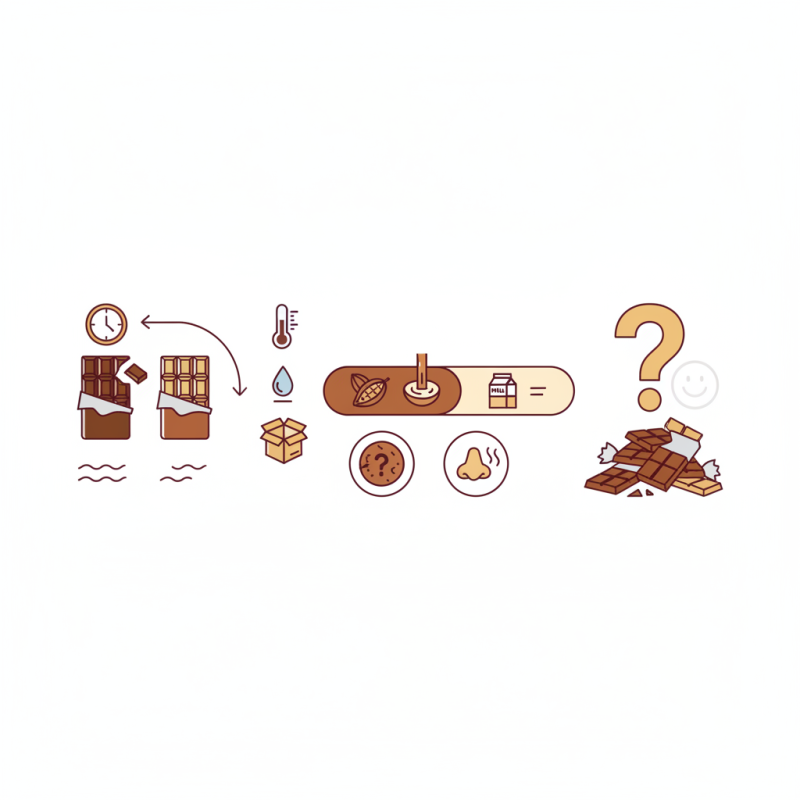
Chocolate can last for months or even years if stored properly. Factors like temperature, humidity, and packaging play vital roles. Milk chocolate tends to expire faster than dark chocolate due to its dairy content. However, many chocolates can still be edible after their expiration date. The key is to observe changes in texture and smell.
Some might hesitate to eat chocolate past its expiration date. It's not uncommon to find a forgotten bar at the back of a cupboard. While the flavor may diminish, it could still be fine to enjoy. This raises a question: how often do we discard perfectly good chocolate? Exploring chocolate expiration allows us to appreciate the nuances of this delicious indulgence.
What Is Chocolate and Its Main Ingredients?
Chocolate is a delightful treat that many people enjoy. It's made from cocoa beans, sugar, and often milk. Each ingredient plays a vital role in the flavor and texture. The cocoa bean comes from the cacao tree. After fermentation and drying, it gets processed into chocolate. This process is quite intricate.
The main ingredients vary in proportions. Dark chocolate typically has more cocoa solids, while milk chocolate includes dairy. Both types often have added sugar. This combination creates the rich, sweet flavor that people love. However, the quality of ingredients can differ. Some chocolates might contain additives that affect taste and texture.
Interestingly, chocolate isn't just a store-bought delight. It can be made at home too. While it may seem straightforward, homemade chocolate requires some skill. Many struggles to achieve that perfect balance of sweetness and richness. Missteps in the process can lead to unexpected outcomes. But that’s part of the fun in making chocolate. Each attempt is a chance to learn and refine the craft.
The Science Behind Chocolate Expiration Dates
Chocolate is a delightful treat, but it does expire. The science behind this expiration lies in its ingredients. Chocolate contains cocoa solids, cocoa butter, sugar, and sometimes milk. Each component behaves differently over time.
Cocoa solids are stable but can lose flavor. Sugar can attract moisture, leading to mold. Milk chocolate has a shorter shelf life. Bacteria love the dairy content. Warm temperatures speed up spoilage. You might notice a white coating, known as bloom. This occurs when fat or sugar rises to the surface.
Storage conditions play a vital role. Chocolate should be kept cool and dry. Air exposure can lead to oxidation. Unopened chocolate lasts longer, but opened packages deteriorate faster. Check for an off smell or unusual texture. Rely on your senses, but don't fully trust the date on the package. While these dates guide you, personal experience can be a better teacher.
Factors Influencing the Shelf Life of Chocolate
Chocolate, a beloved treat, has a shelf life influenced by several key factors. The type of chocolate plays a significant role. Dark chocolate can last up to two years, while milk chocolate typically only lasts about one year. This variance is largely due to the ingredients. Milk chocolate contains dairy, which shortens its lifespan.
Storage conditions also greatly affect chocolate's longevity. High temperatures can cause fat bloom, making chocolate appear dull and unappetizing. Humidity can also introduce moisture, which promotes bacterial growth. According to the Chocolate Manufacturers Association, maintaining a cool, dry place at around 65-70°F is ideal for preservation.
Furthermore, packaging matters. Chocolate wrapped in airtight containers lasts longer. Exposure to air degrades quality and flavor over time. Research indicates that well-sealed chocolate can retain its taste for months beyond its expiration date. Yet, improper handling can lead to unexpected changes in aroma and texture. Understanding these factors helps chocolate lovers enjoy their favorite indulgence longer.
Why Does Chocolate Expire and How Long Does It Last? - Factors Influencing the Shelf Life of Chocolate
| Chocolate Type | Shelf Life (Unopened) | Shelf Life (Opened) | Factors Influencing Shelf Life |
| Dark Chocolate | 2 years | 1 year | Cocoa content, storage conditions |
| Milk Chocolate | 1 year | 6-8 months | Milk content, humidity |
| White Chocolate | 1 year | 6 months | Sugar content, exposure to air |
| Chocolate with Add-ins (Nuts, Caramel, etc.) | 1 year | 3-6 months | Additive types, moisture |
Signs That Chocolate Has Expired
Chocolate can bring joy, but it doesn't last forever. Recognizing the signs of expired chocolate is essential. Look for a whitish-gray coating, known as bloom, which occurs due to fat separation. This is not harmful but indicates aging.
Another sign is a change in texture. If your chocolate feels dry or crumbly, it’s time to reconsider eating it. An off smell is a red flag too. Fresh chocolate has a rich, sweet aroma. If it smells stale or sour, it’s best to avoid it. Taste is crucial as well. If it lacks flavor or has an unusual taste, discard it.
You might find some unwanted surprises like tiny white spots. This could be sugar bloom, caused by moisture exposure. While it won’t harm you, the quality diminishes. Even if the chocolate looks fine, its flavor may not be. Think twice before indulging in questionable pieces. Quality matters, even in sweet treats.
Chocolate Shelf Life and Expiration Signs
Chocolate can expire due to factors like moisture, heat, and light exposure. The shelf life varies significantly across different types of chocolate. Dark chocolate tends to last the longest, while white chocolate has the shortest shelf life. Recognizing signs of expired chocolate can help you avoid consuming spoiled products.
Proper Storage Techniques for Prolonging Chocolate Freshness
Proper storage of chocolate is essential to maintain its freshness. Chocolate contains cocoa butter, sugar, and other ingredients that can degrade over time. To keep it at its best, store your chocolate in a cool, dry place. Ideal temperatures range from 60°F to 70°F. Avoid humidity and direct sunlight. A pantry can be a perfect spot, but ensure it's not close to heat sources.
Some people overlook the importance of wrapping. Chocolate should always be kept in its original packaging or in an airtight container. This prevents exposure to strong odors and prevents moisture absorption. Plastic wrap can work, but it might not be the best option. If chocolate develops a whitish film, it's called bloom, which occurs when fats or sugars separate. It’s safe to eat but doesn’t look appealing.
Cooling chocolate in the refrigerator? Be careful. Condensation can form when it comes back to room temperature, compromising texture. It’s better to avoid this if possible. Slight imperfections in storage can lead to a loss of flavor. If not stored properly, chocolate's shelf life shrinks. Keep chocolate out of sight of pets and children. Misplacing chocolate can lead to unnecessary waste.
